Reducing Risk, Improving Productivity, and Protecting Personnel
Material handling is a critical function in industrial operations that directly impacts productivity, workplace safety and operational efficiency. Whether handling raw materials, pallets, heavy components or finished goods, unsafe practices can lead to equipment damage, production downtime and serious workplace injuries.
At Kijeka Engineers Pvt Ltd, we understand that material handling safety is not only a regulatory requirement but also a key part of sustainable industrial operations. Implementing proper safety measures helps organizations reduce accidents, optimize workflows and maintain a safer working environment.
Why Material Handling Safety Matters
Material handling activities involve lifting, moving, storing, loading and transporting materials using manual labor or mechanical systems. Improper handling methods often result in:
- Musculoskeletal injuries
- Slips, trips and falls
- Equipment collisions
- Falling object incidents
- Product damage
- Operational delays
According to industrial safety studies, a significant percentage of workplace injuries occur during material movement operations. Preventive safety measures can substantially reduce these risks.
1. Conduct Proper Risk Assessments
Before implementing any material handling operation, organizations should identify potential hazards associated with:
- Load weight and dimensions
- Movement paths
- Equipment condition
- Operator visibility
- Floor conditions
- Storage stability
A detailed risk assessment allows engineers and safety managers to establish preventive controls before incidents occur.
2. Use the Right Material Handling Equipment
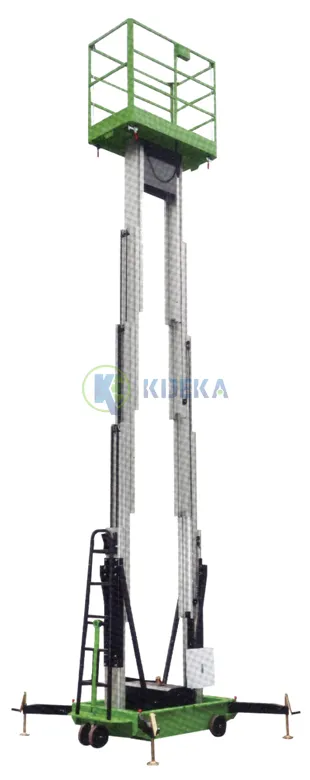
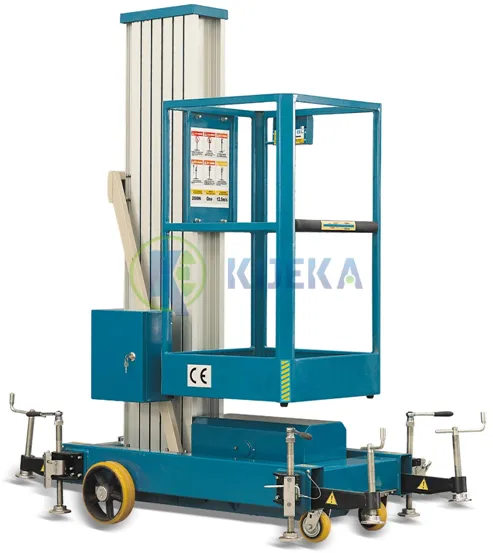
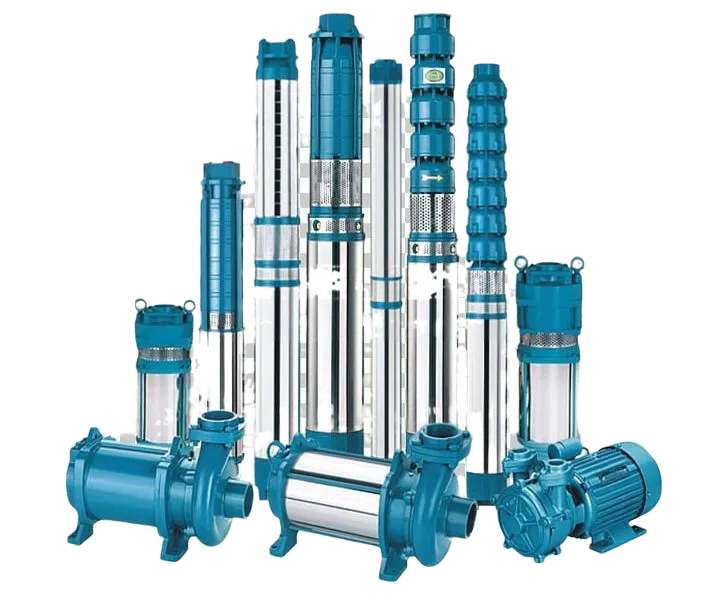
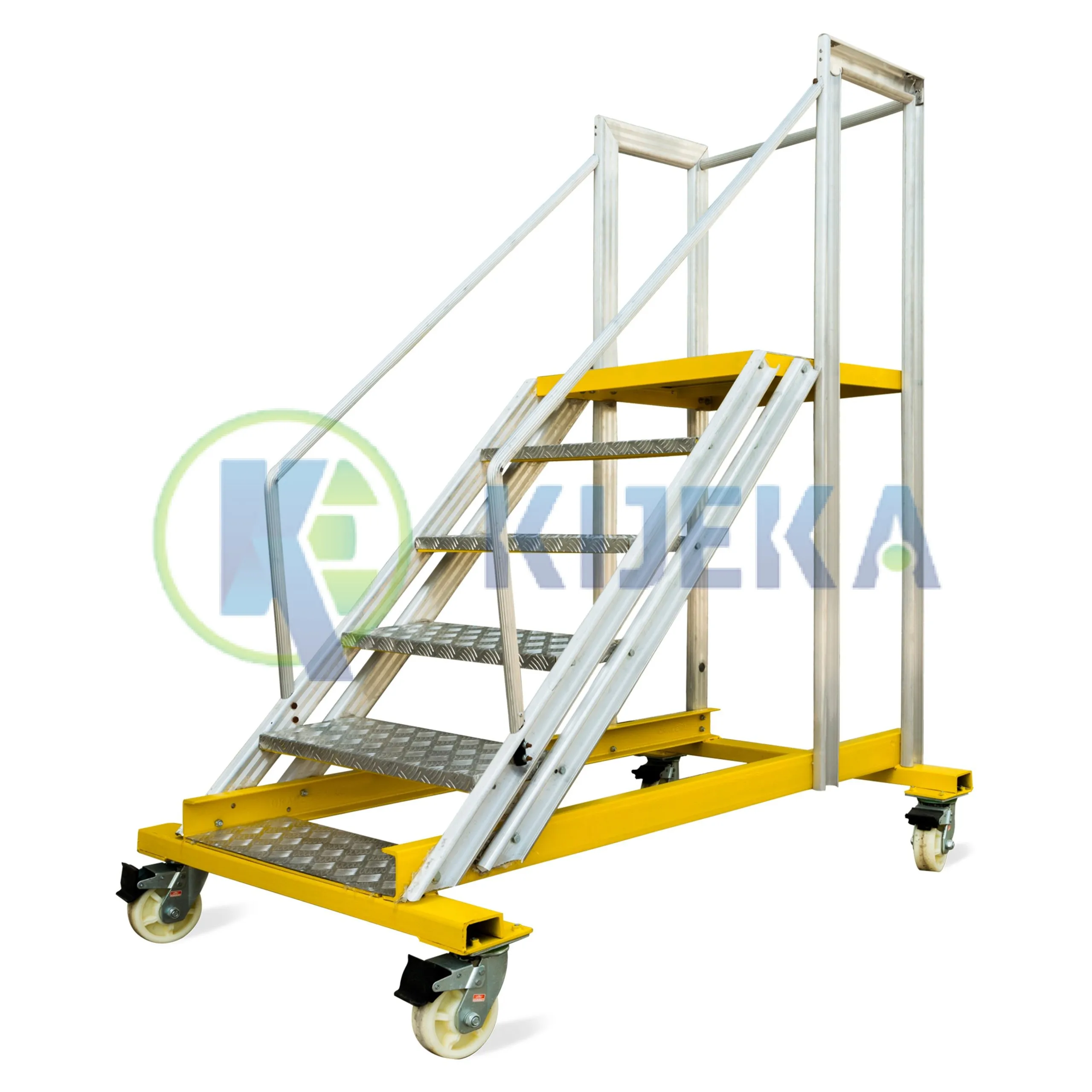
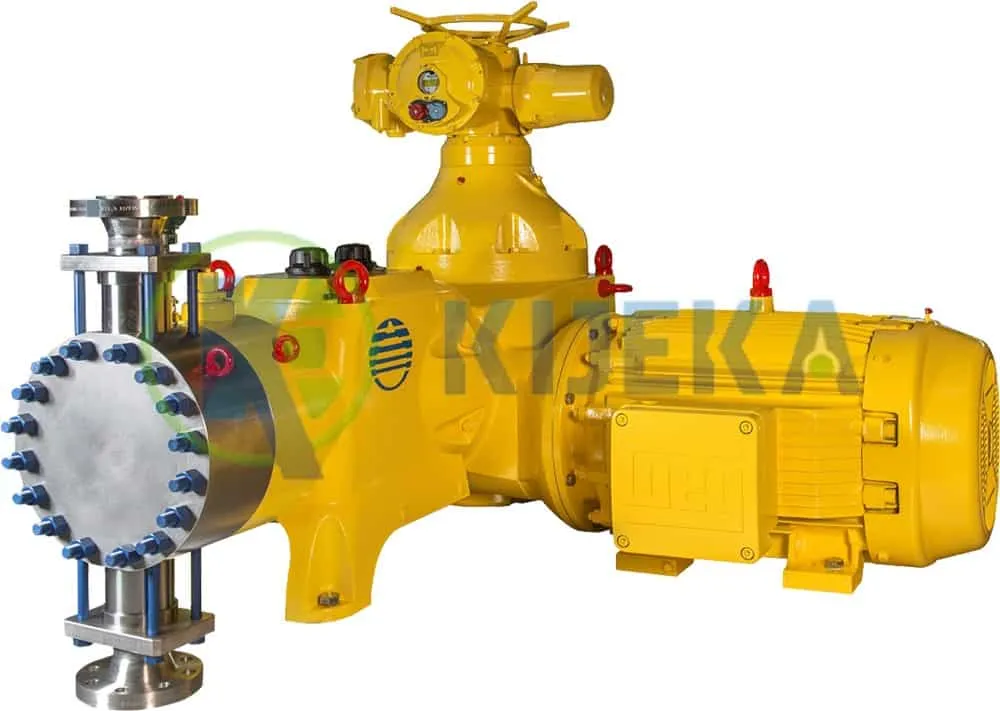
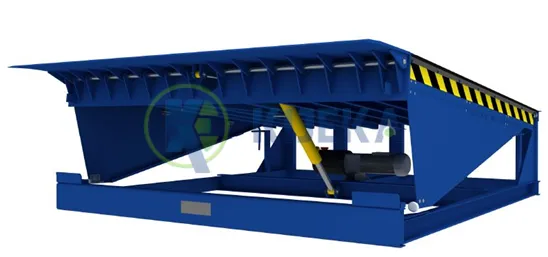
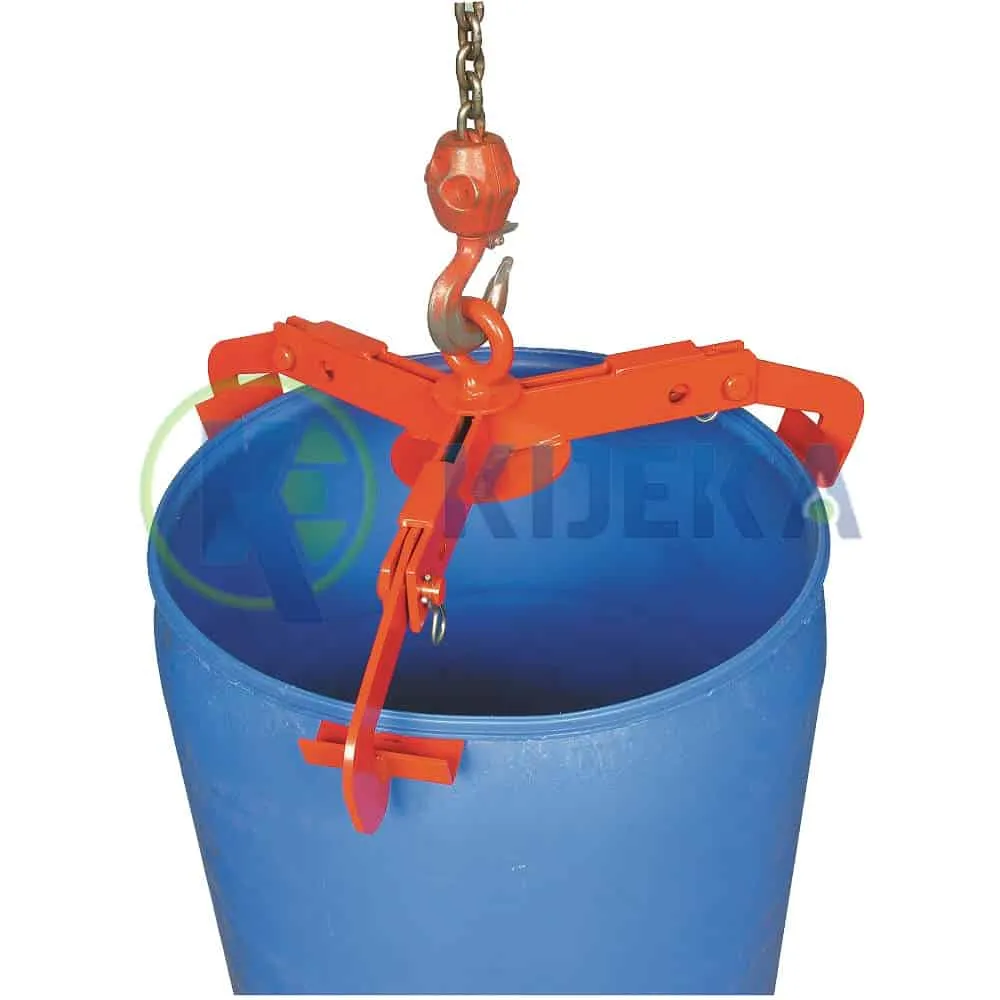
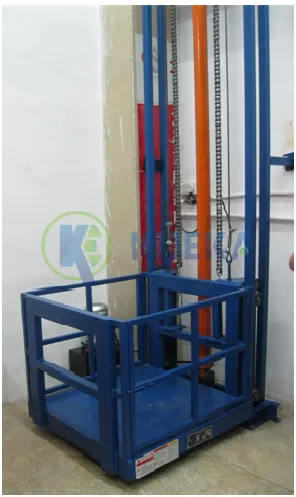
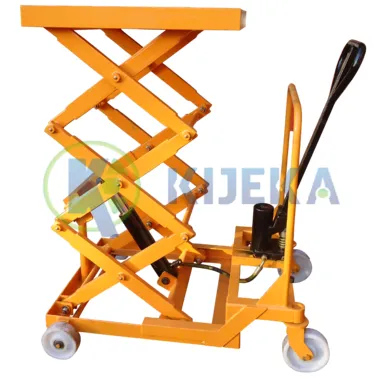
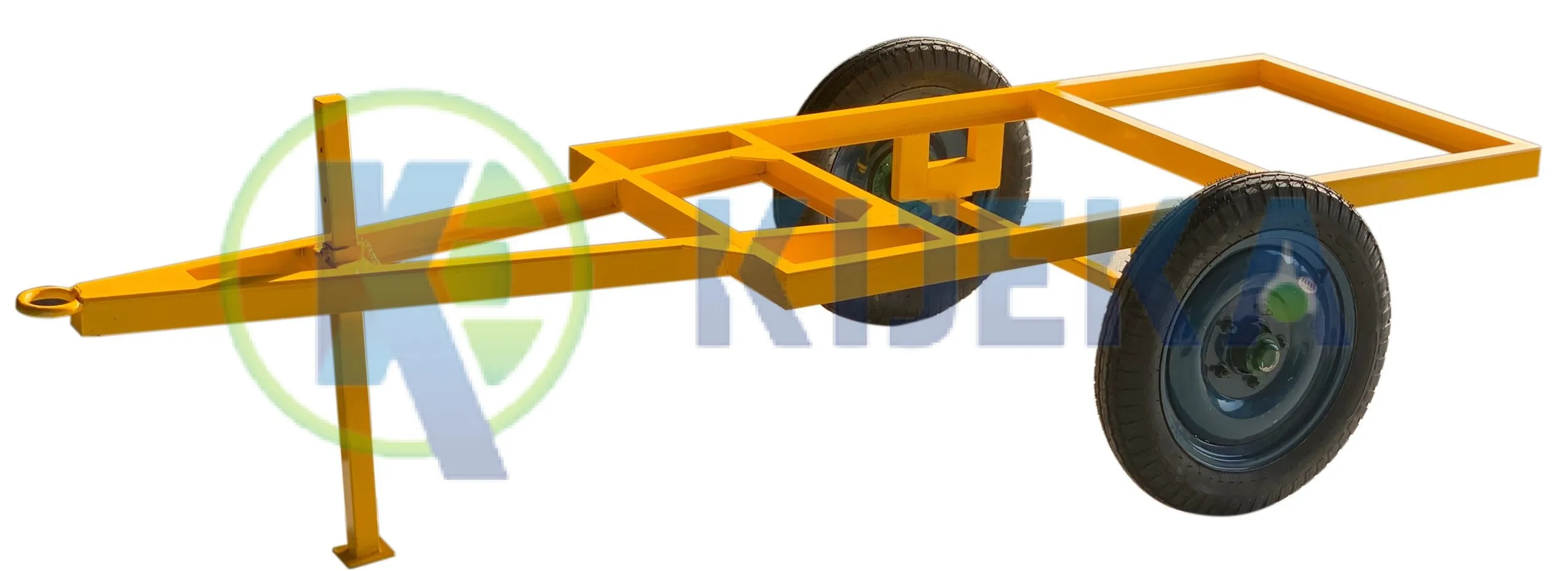
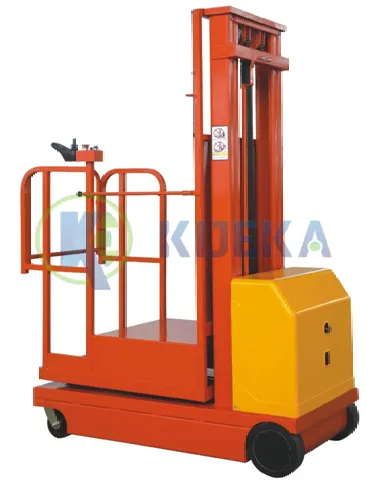
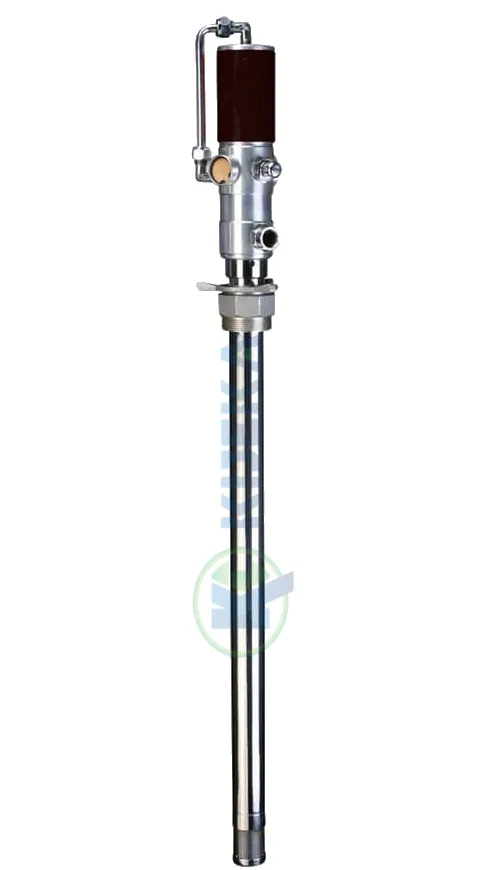
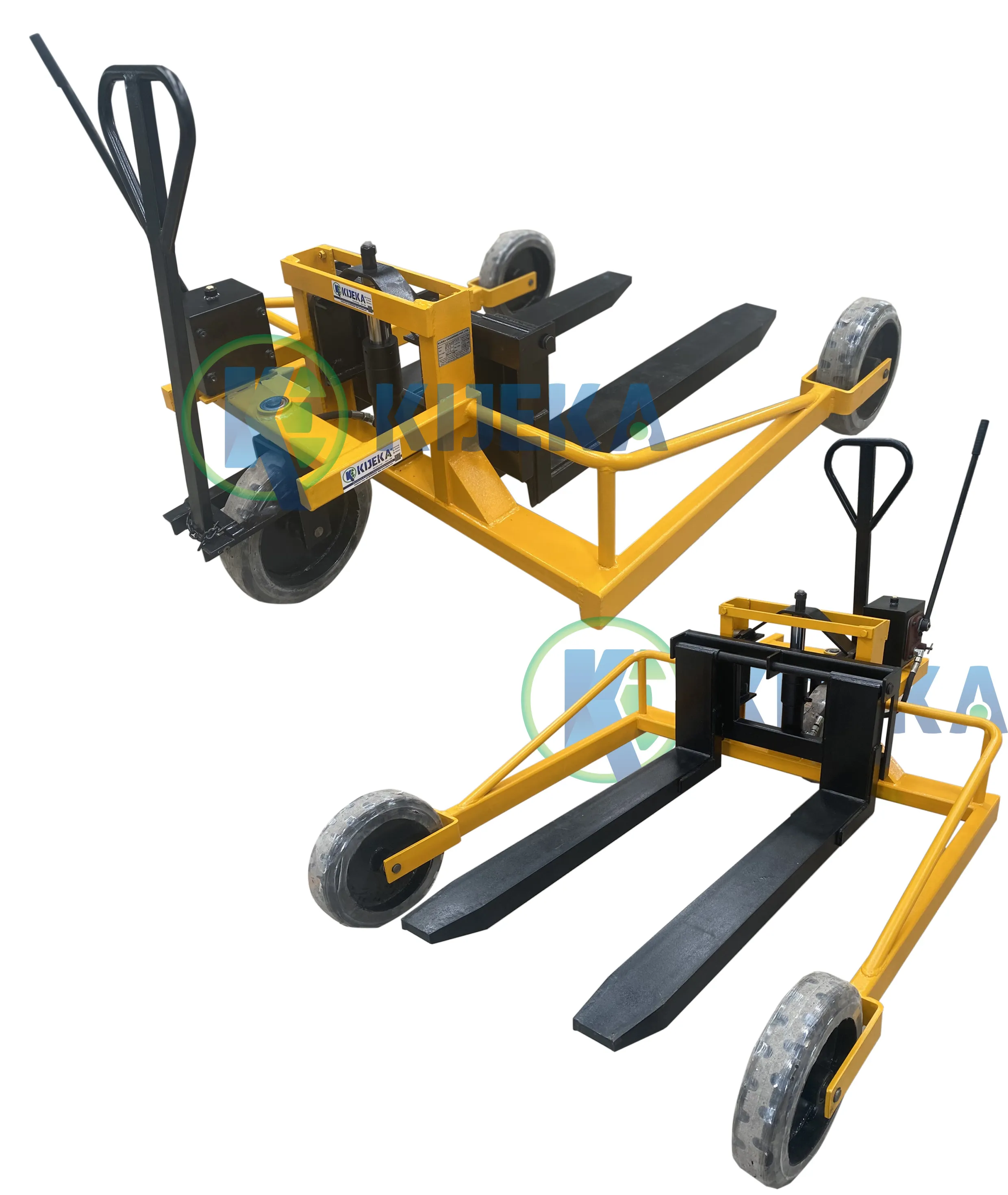
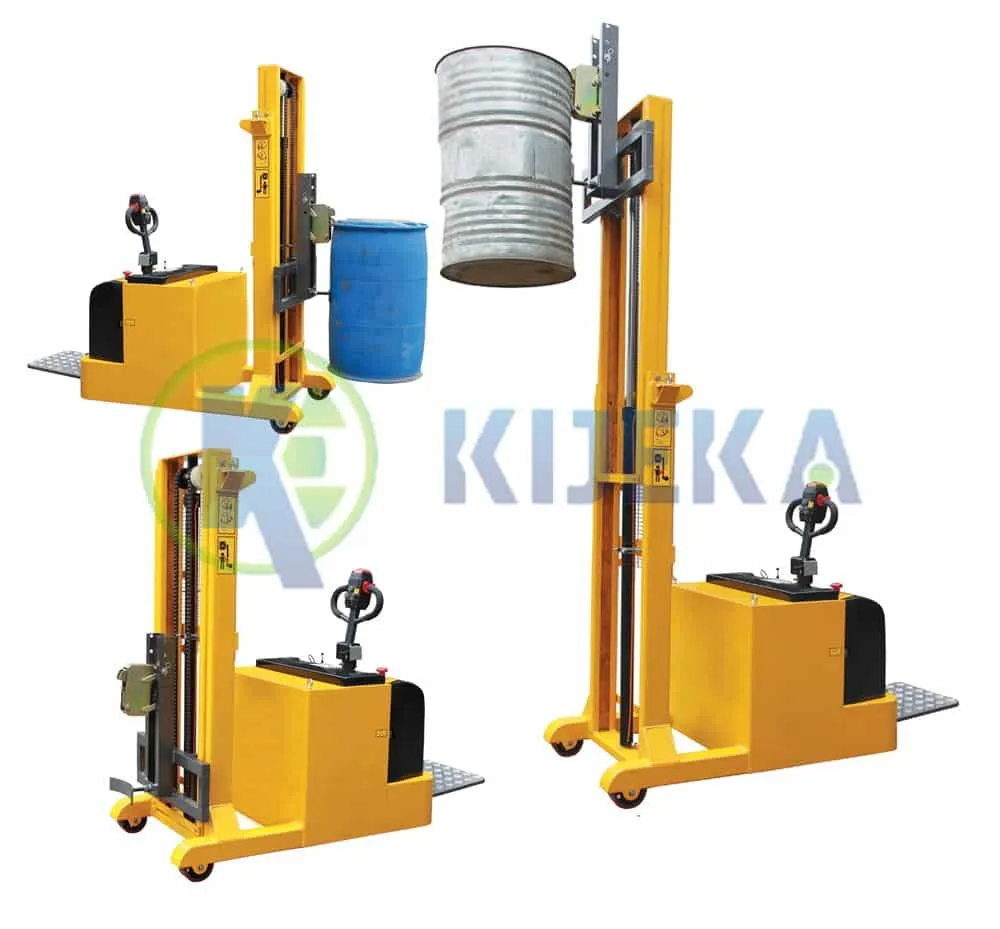
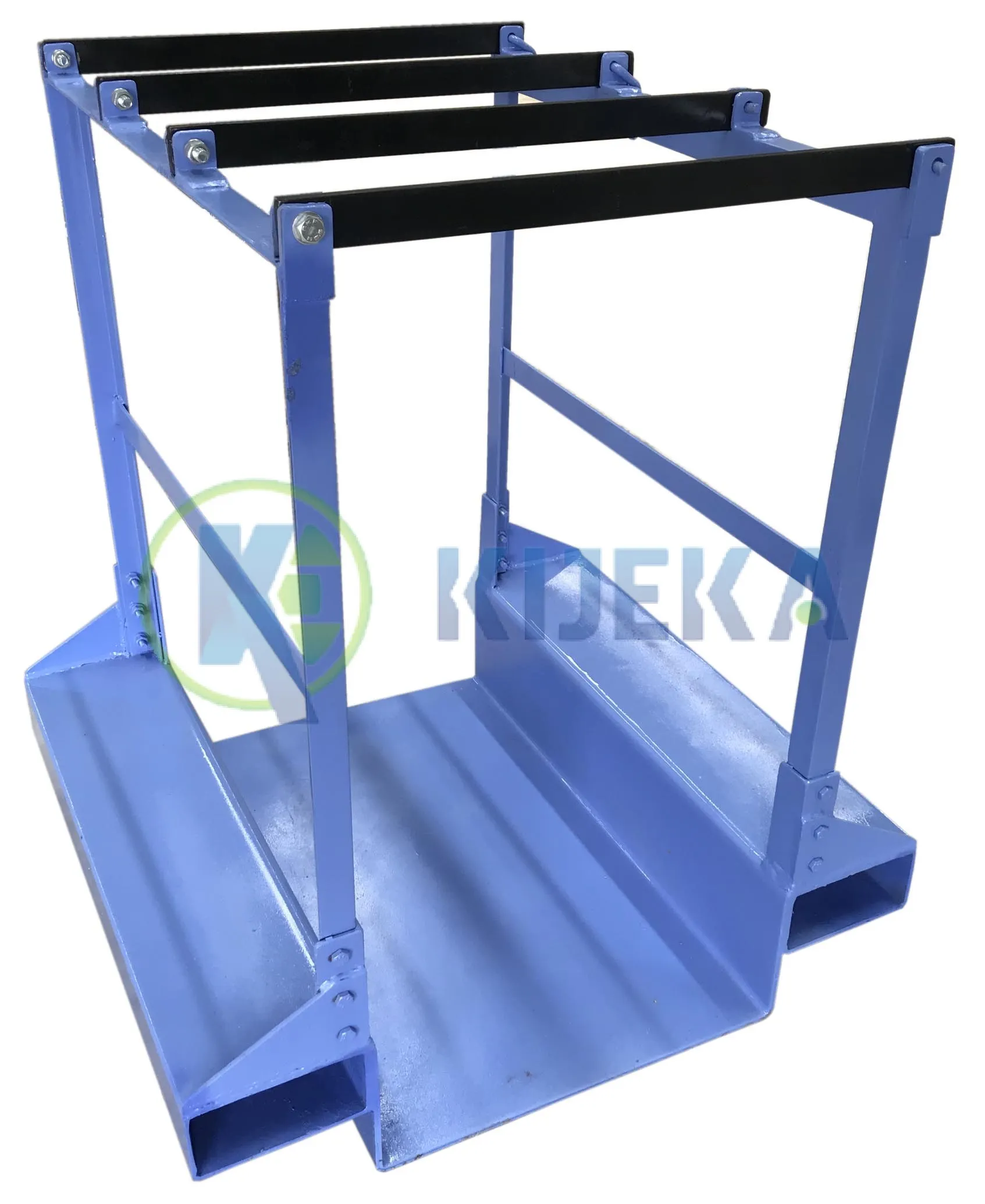
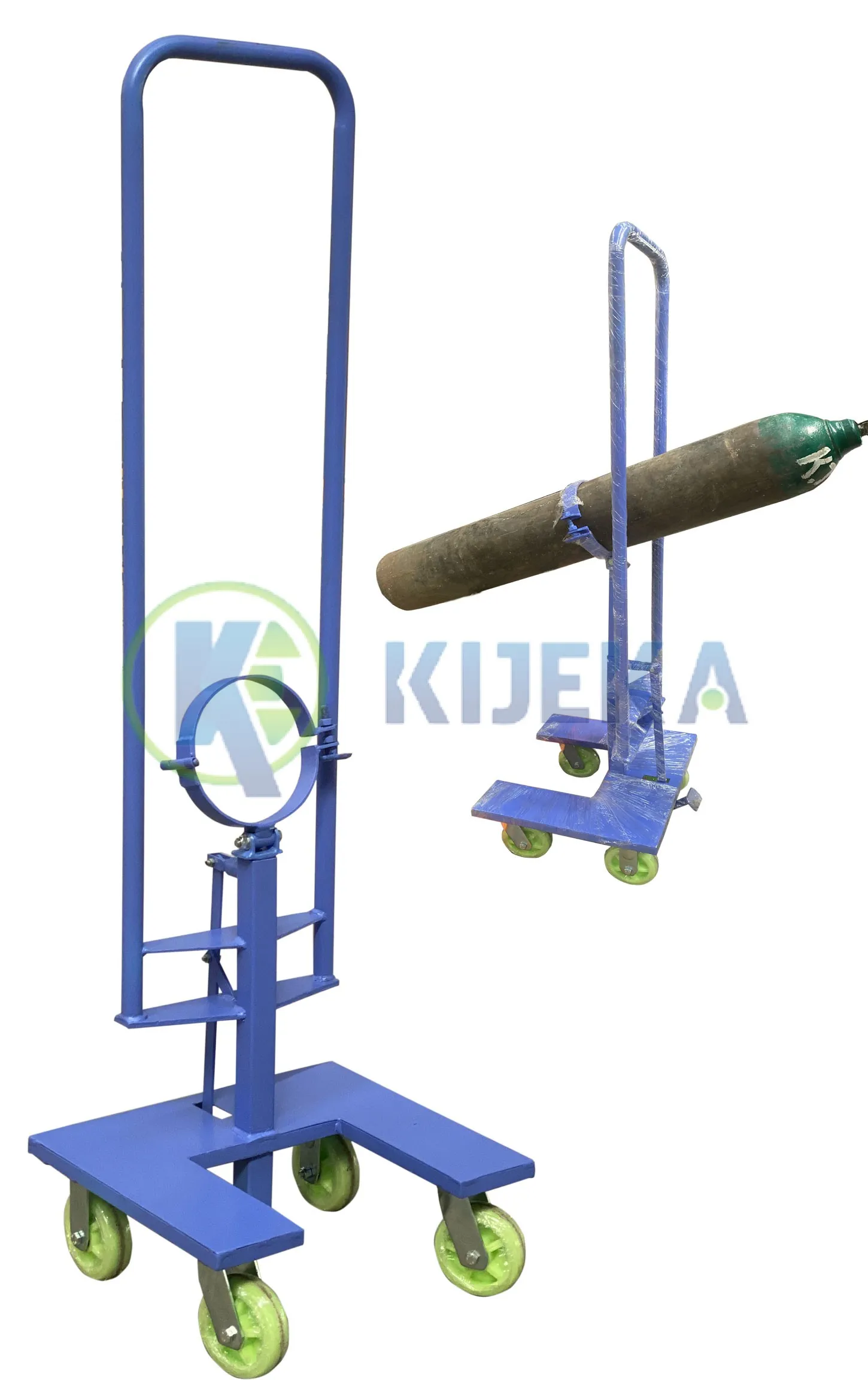
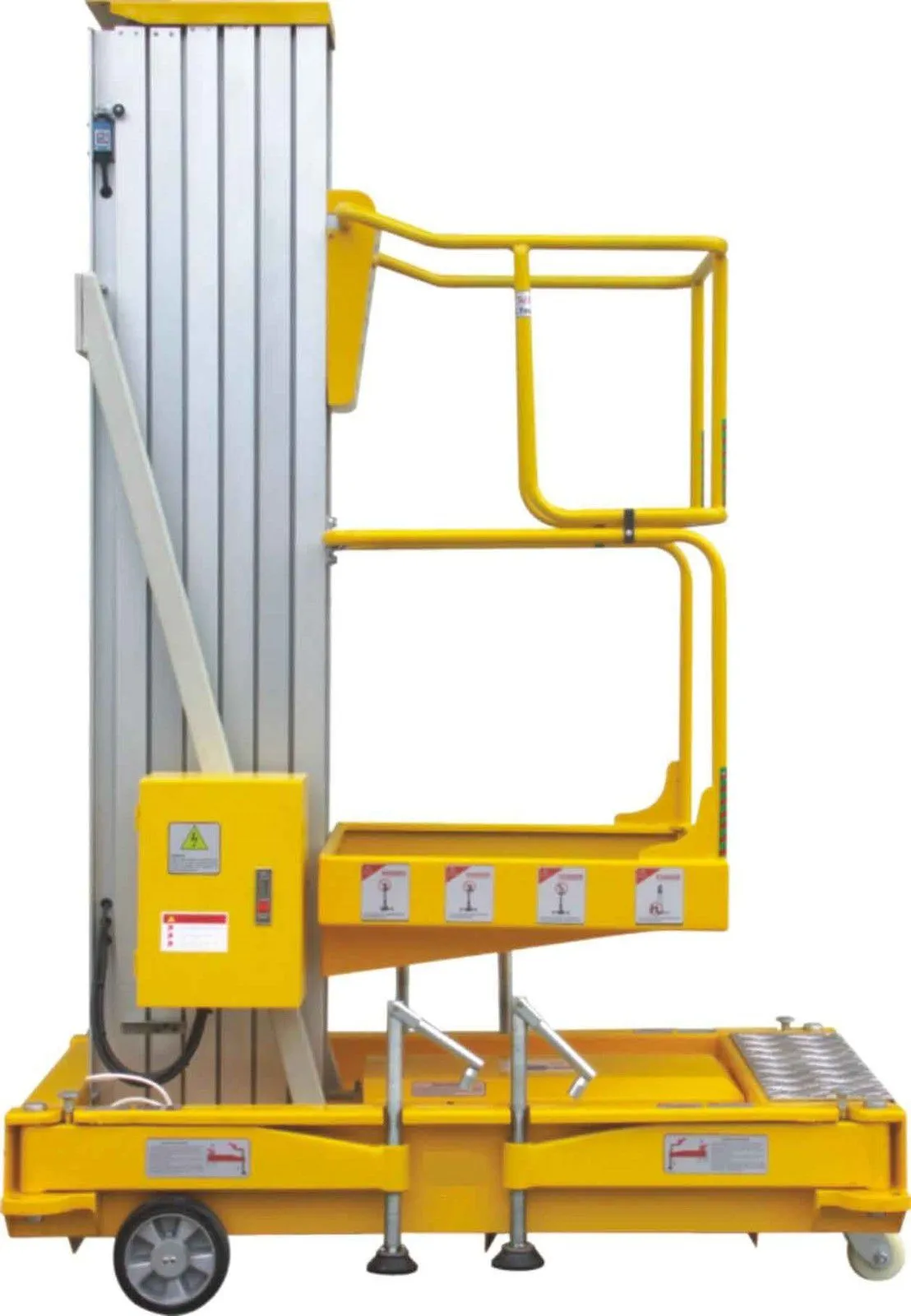
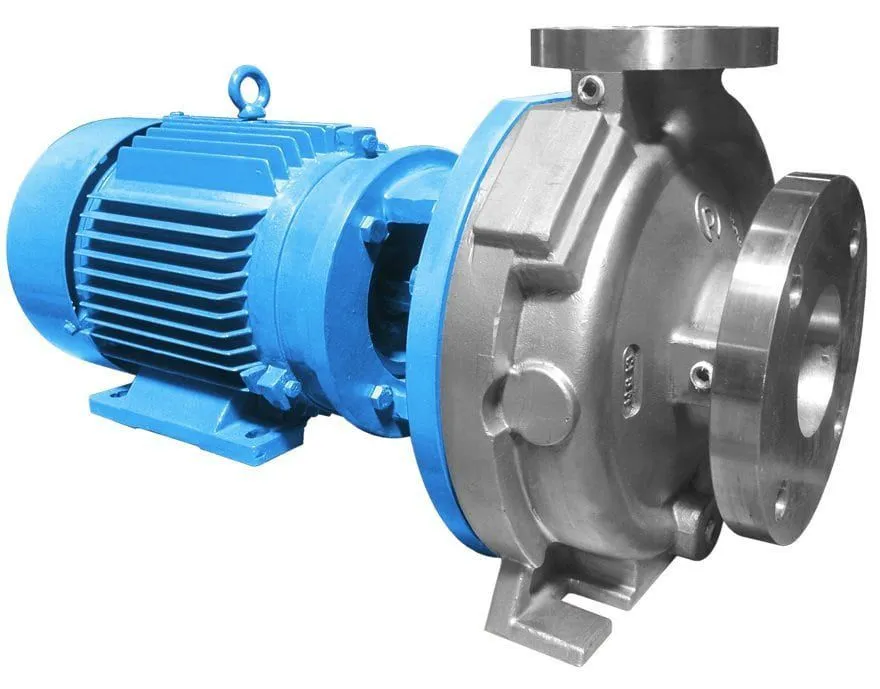
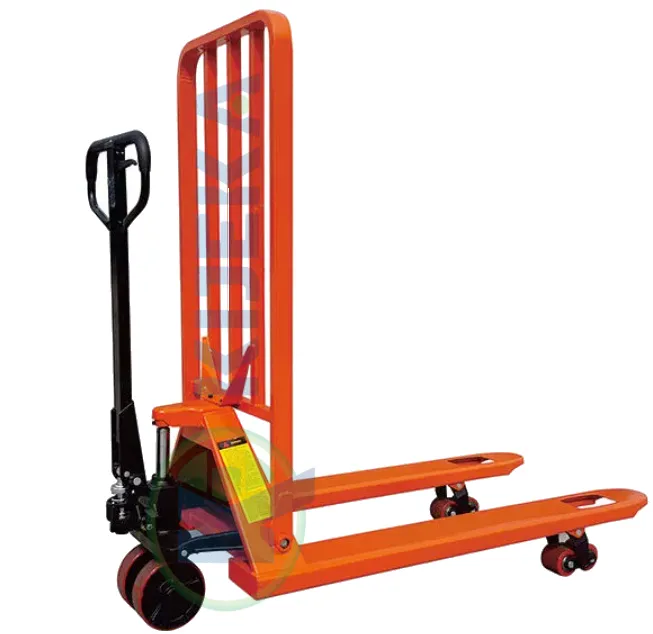
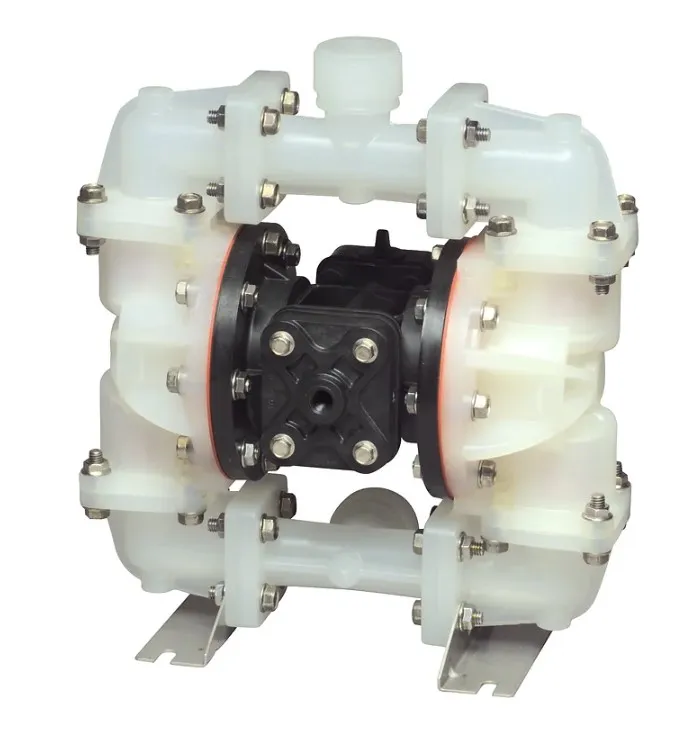
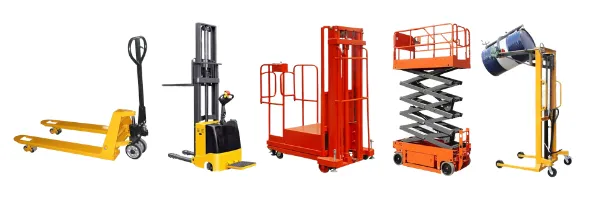
Selecting appropriate equipment is essential for operational safety and efficiency. Common material handling equipment includes:
Equipment should always be selected based on load capacity, working environment, material type, travel distance and operational frequency. Never overload machinery beyond its rated capacity.
3. Ensure Operator Training and Certification
Only trained and authorized personnel should operate material handling equipment. Training programs should include:
- Safe operating procedures
- Load balancing techniques
- Emergency response protocols
- Equipment inspection routines
- Hazard identification
Regular refresher training helps maintain compliance and reinforces safety awareness.
4. Maintain Clear Pathways and Organized Storage
- Clearly marked pathways
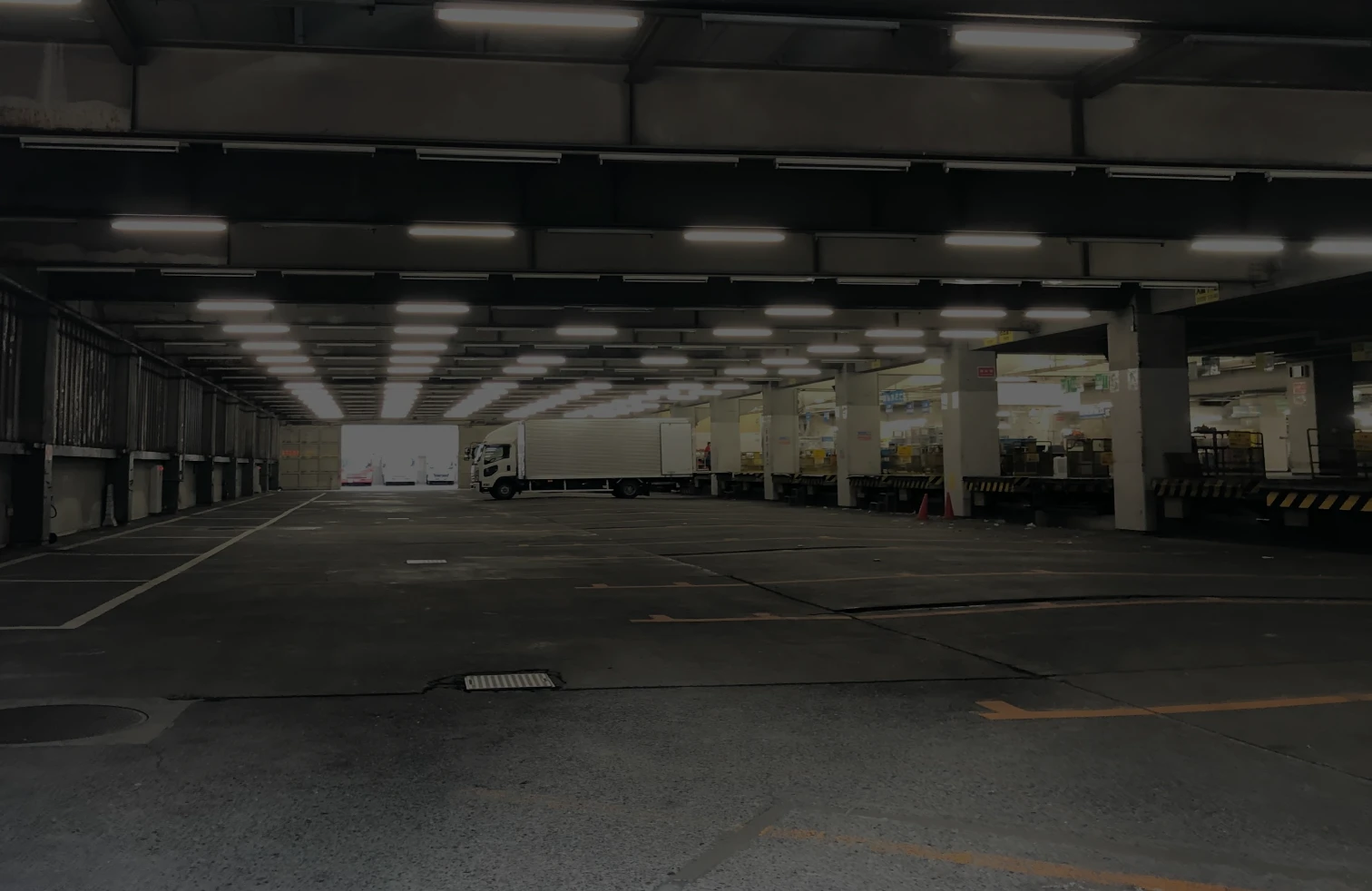
- Adequate lighting
- Unobstructed exits
- Proper stacking methods
- Safe storage heights
Materials should be stored securely to prevent tipping or collapse.
5. Perform Routine Equipment Inspections
Daily inspections should verify:
- Brake functionality
- Hydraulic systems
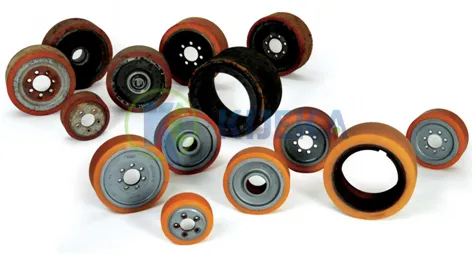
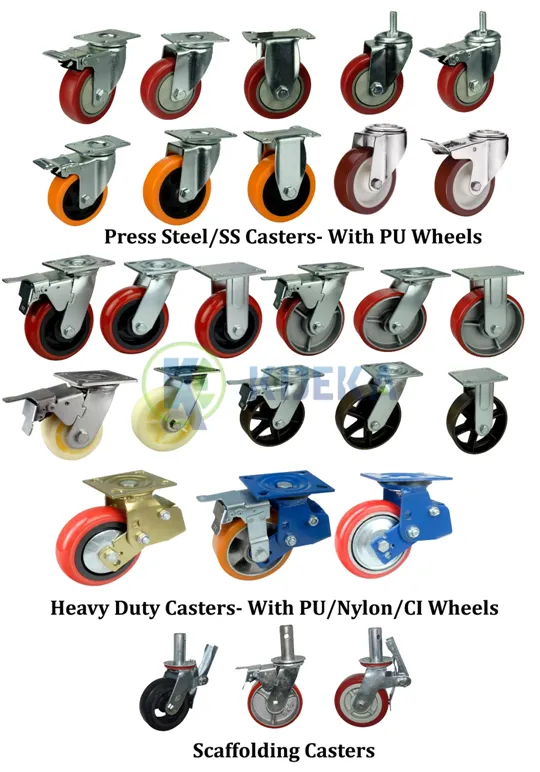
- Tires and wheels
- Warning alarms
- Safety guards
- Battery and fuel systems
Any damaged or malfunctioning equipment should be removed from service immediately until repaired.
6. Implement Ergonomic Handling Practices
Manual material handling remains common in many industries. Poor lifting techniques can cause long-term injuries.
- Lifting with the legs, not the back
- Keeping loads close to the body
- Avoiding twisting while lifting
- Using mechanical assistance for heavy loads
- Limiting repetitive strain tasks
7. Use Personal Protective Equipment (PPE)
Appropriate PPE helps reduce injury severity during material handling operations. Common PPE includes:
- Safety helmets
- Protective gloves
- Steel-toe safety shoes
- Reflective vests
- Eye protection
8. Establish Emergency Response Procedures
Facilities should maintain clear emergency protocols for:
- Equipment failure
- Fire incidents
- Chemical spills
- Worker injuries
- Load collapse situations
Emergency exits, first aid kits and fire extinguishers should remain accessible at all times.
9. Encourage a Safety-First Culture
Management should:
- Encourage hazard reporting
- Conduct regular safety audits
- Reward safe practices
- Investigate incidents thoroughly
- Continuously improve procedures
When employees actively participate in safety initiatives, workplace incidents are significantly reduced.
Conclusion
Material handling safety is a vital component of industrial productivity and workforce protection. By implementing proper equipment selection, operator training, preventive maintenance, ergonomic practices and organized storage systems, organizations can create safer and more efficient operations.
At Kijeka Engineers Pvt Ltd, we believe that safety-driven engineering practices contribute directly to operational excellence and long-term business success.